Key is hard to turn
Test with the door open and closed. A change between those positions often points to alignment, not the key cylinder alone.
Emergency locksmith help across Philadelphia
A lock can feel broken when the door sags, rubs, or no longer lines up with the frame. The lock, key, hinges, handle, and door should be checked together before parts are replaced.
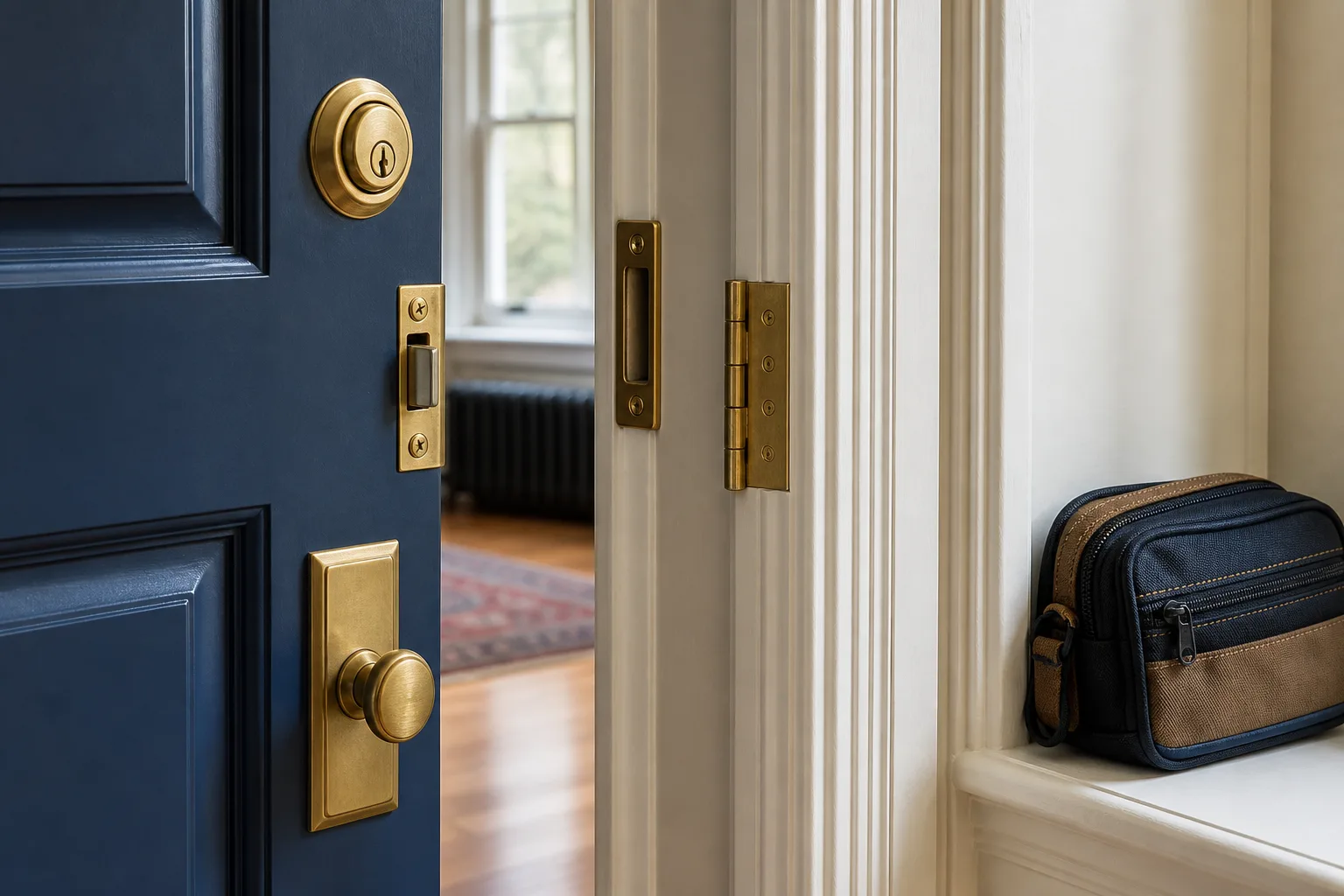
A lock can feel broken when the door sags, rubs, or no longer lines up with the frame. The lock, key, hinges, handle, and door should be checked together before parts are replaced.
Tell us what still works, what stopped working, and what you already tried. This helps us understand whether the problem is the key, lock, door, ignition, or remote before the visit.
We confirm that you can approve the work and review the price before service starts. If another repair is optional, it should be explained as a separate choice.
Choose the closest example. Small details can change the right service.
Test with the door open and closed. A change between those positions often points to alignment, not the key cylinder alone.
Stop using extra force. Loose mounting can damage the spindle, latch, trim, and door preparation.
Seasonal movement, hinge wear, settling, or a shifted strike can keep the bolt from entering cleanly.
A worn latch, pressure from the strike, debris, or failed internal parts may prevent reliable closing.
Note exactly when the key, handle, latch, or bolt begins to bind.
Look for sagging, rubbing, loose hinges, frame cracks, weather changes, and marks around the strike.
Do not use cooking oil, glue, or random spray. The wrong product can trap dirt or damage parts.
The right choice depends on the key, lock, door, or vehicle and what is happening now.
The key, lock, latch, bolt, handle, hinges, door, or frame can each cause a similar problem.
Repair can make sense when the main lock is in good shape. Cracked or badly worn parts may need replacement.
Wood, metal, fiberglass, aluminum, storm, and historic doors need different adjustment and fastener choices.
Test the key and hardware with the door in several normal positions.
Inspect the lock, door edge, hinges, strike, frame, and fasteners.
Review the smallest reliable correction before changing good hardware.
Lock, unlock, latch, and close the door several times from both sides.
Choose your area for local property, parking, access, and meeting-point advice.
Short answers before you call.
The bolt or latch is probably meeting pressure or missing the strike when the door closes. Hinges, frame movement, weather, or strike position can cause it.
Many can be assessed and some can be repaired, but parts, wear, prior changes, and door condition affect the practical option.
Do not use household oil or random spray. First identify whether the problem is the keyway, cylinder, latch, alignment, or another part.
Call with the exact location, a short description, and proof that you can approve the work.