Piece is visible
Leave it where it is. Pliers can twist the piece or push it behind internal parts when there is little clean grip.
Emergency locksmith help across Philadelphia
If a key breaks in a lock, stop turning it and do not use glue. Save every piece and take a clear photo. The broken piece and condition of the lock decide what should happen next.
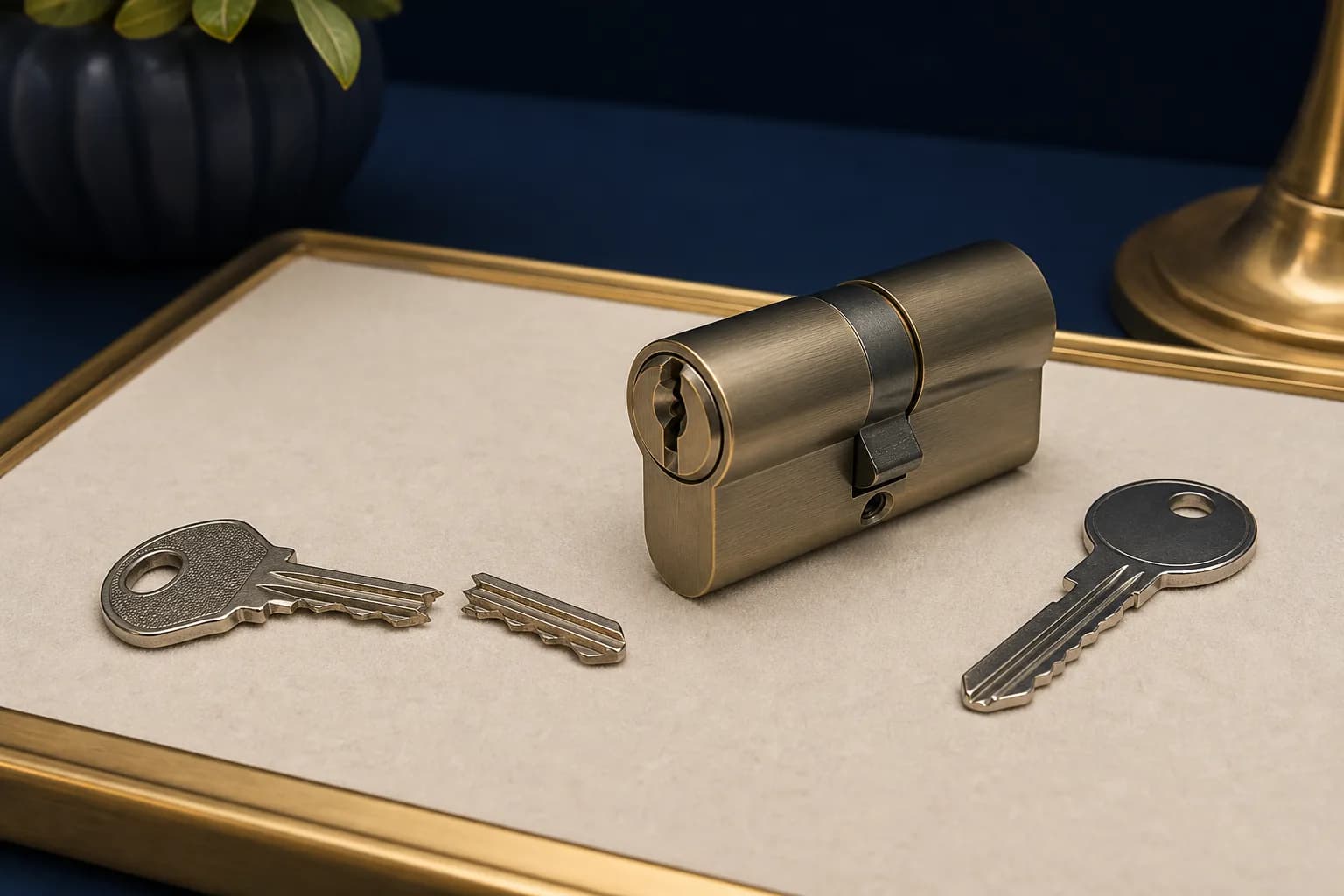
If a key breaks in a lock, stop turning it and do not use glue. Save every piece and take a clear photo. The broken piece and condition of the lock decide what should happen next.
Tell us what still works, what stopped working, and what you already tried. This helps us understand whether the problem is the key, lock, door, ignition, or remote before the visit.
We confirm that you can approve the work and review the price before service starts. If another repair is optional, it should be explained as a separate choice.
Choose the closest example. Small details can change the right service.
Leave it where it is. Pliers can twist the piece or push it behind internal parts when there is little clean grip.
The cylinder may be under door pressure or stopped between positions. Do not rotate it with another object.
Keep both halves. Wear marks can show whether the key failed from age, damage, or a binding lock.
The lock, latch, strike, or door alignment may need repair after the broken piece is removed.
Do not add another key, screwdriver, pick, drill, or adhesive. Extra material makes clean removal harder.
If safe, leave the door in its current position. Do not keep pushing or pulling while the piece is trapped.
Keep every key part and take a clear close photo of the keyway without inserting anything.
The right choice depends on the key, lock, door, or vehicle and what is happening now.
A piece trapped in the normal key-removal position is different from one held while the plug is partly turned.
A clean visible break, deep fragment, twisted blade, and multiple pieces need different access.
A worn key alone may need a fresh key. A binding, damaged, or loose lock can need repair or replacement too.
Confirm the fragment position, lock state, door pressure, and prior attempts.
Use a method that limits damage to the keyway and surrounding hardware.
Test cylinder movement, latch or bolt travel, alignment, and mounting.
Use code or a reliable key when possible, not a badly worn broken copy.
Choose your area for local property, parking, access, and meeting-point advice.
Short answers before you call.
No. Glue can bond the fragment to the cylinder and damage internal parts, making extraction and repair harder.
Only a fragment with a strong, straight, easy grip may move, but twisting or pushing it deeper can cause more damage. Stop if it does not slide freely.
Not always. The lock can often remain when the fragment is removed cleanly and the cylinder is sound. Repair or replacement depends on why the key broke.
Call with the exact location, a short description, and proof that you can approve the work.