Employee key was not returned
Identify every opening and access level tied to that key before deciding how much of the system must change.
Emergency locksmith help across Philadelphia
Commercial rekeying keeps business locks that are in good shape but changes which keys open them. Start with a door list, current key holders, staff roles, and a manager who can approve the work.
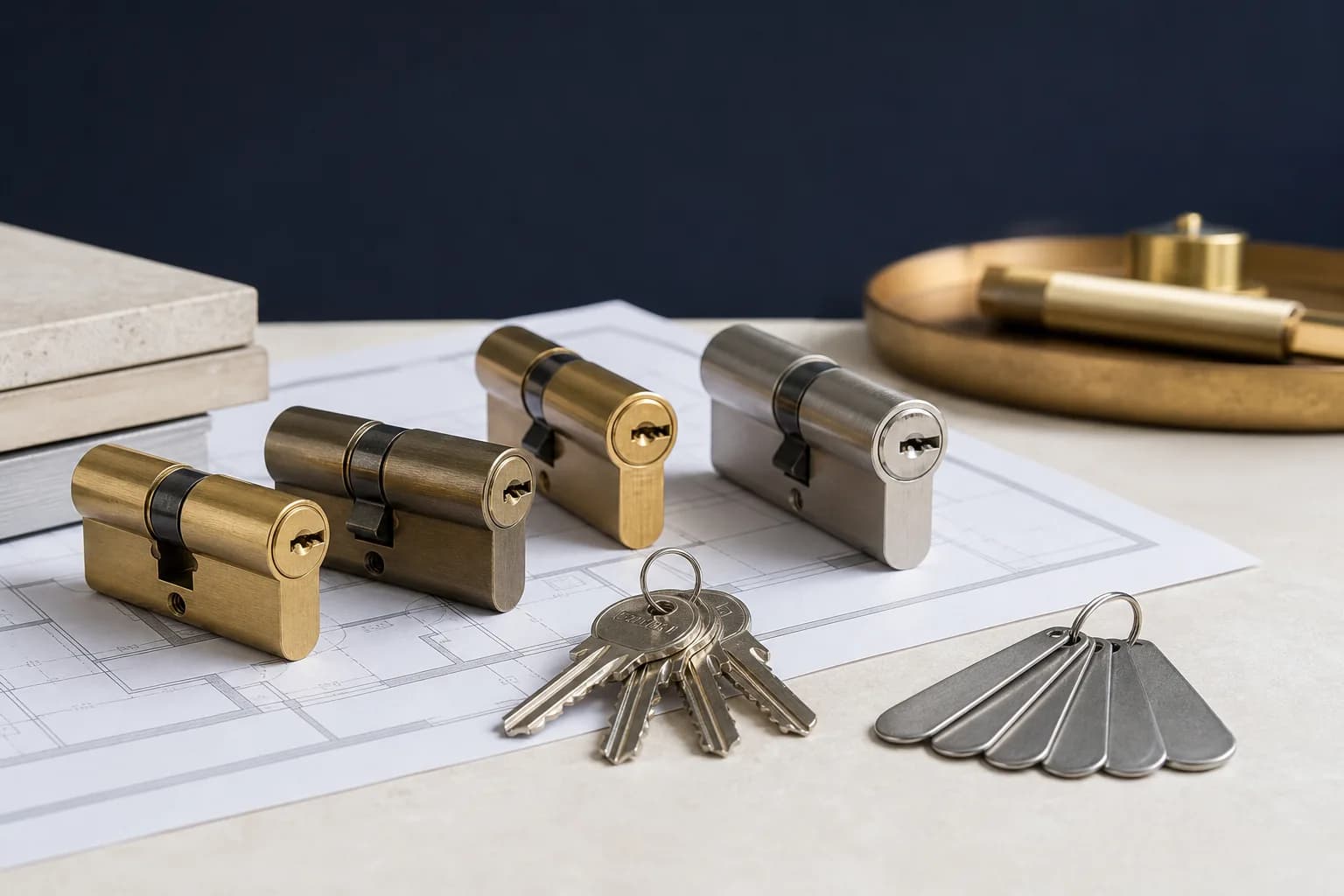
Commercial rekeying keeps business locks that are in good shape but changes which keys open them. Start with a door list, current key holders, staff roles, and a manager who can approve the work.
Tell us what still works, what stopped working, and what you already tried. This helps us understand whether the problem is the key, lock, door, ignition, or remote before the visit.
We confirm that you can approve the work and review the price before service starts. If another repair is optional, it should be explained as a separate choice.
Choose the closest example. Small details can change the right service.
Identify every opening and access level tied to that key before deciding how much of the system must change.
Separate tenant doors from common, utility, fire, and building-managed openings that should stay on existing control.
A new key list can restore control. Give each employee only the keys needed for their role instead of one key that opens everything.
Group public, staff, office, stock, service, and restricted areas before cylinders are rekeyed.
Use simple names or numbers and note lock brand, current key, daily role, and who controls each opening.
Write what owners, managers, staff, cleaning teams, vendors, and emergency contacts actually need.
Record issued, returned, lost, copied, and unknown keys. Do not assume every marked key is unique.
The right choice depends on the key, lock, door, or vehicle and what is happening now.
Locks that share a key, master keys, different brands, and different key shapes affect how many doors need to be rekeyed.
Worn, loose, damaged, or unsupported cylinders can be better replaced while sound compatible ones are rekeyed.
The lease or building rules may require manager approval before a tenant's locks are changed.
Map openings, current access, missing keys, roles, and responsible approvers.
Give each employee access only to the doors needed for the job.
Set approved cylinders, cut controlled quantities, and use clear key labels or codes.
Test every opening and have each key holder acknowledge the keys received.
Choose your area for local property, parking, access, and meeting-point advice.
Short answers before you call.
Often, when the existing key system separates the affected doors or access level. A door and key check shows which locks need to change.
No. Master keys should be limited. Give each role the smallest practical access group and record every issued key.
Sometimes, but the lock parts must be compatible. Similar-looking keys are not enough. A locksmith must check the locks before promising one key for every door.
Call with the exact location, a short description, and proof that you can approve the work.